
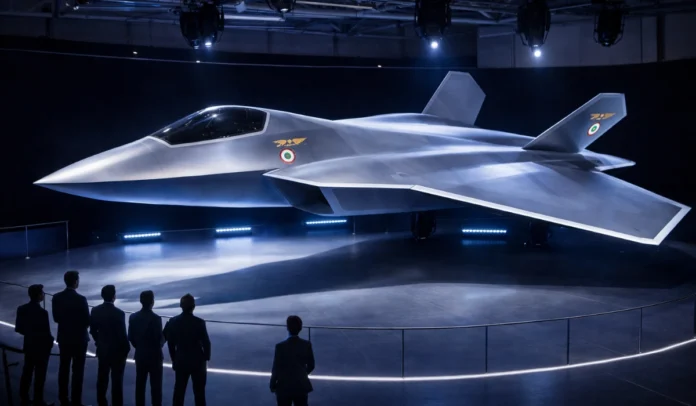
India is actively exploring the possibility of joining one of Europe’s sixth-generation fighter aircraft development programmes, according to senior defence officials and industry sources familiar with ongoing discussions.
The move would mark a significant step in deepening India’s strategic defence cooperation with key European nations and gaining access to cutting-edge technologies for next-generation combat aircraft. The primary programmes under consideration are the Future Combat Air System (FCAS) led by France, Germany and Spain, and the Global Combat Air Programme (GCAP) involving the United Kingdom, Italy and Japan.
Talks have progressed at both official and industry levels in recent months, with Indian delegations visiting partner countries and engaging with lead manufacturers such as Dassault Aviation, Airbus, Leonardo, BAE Systems and Rolls-Royce. India’s interest centres on technology transfer, co-development opportunities, joint production of subsystems, and potential integration of Indian-developed weapons and sensors into the future platform.
Defence Ministry sources indicate that any participation would be structured to protect India’s strategic autonomy and align with the Atmanirbhar Bharat goal of building indigenous capabilities in advanced fighter aircraft. The discussions are still at the exploratory stage, with no formal commitment or financial commitment made so far.
A senior official involved in the talks said India is looking for a partnership model that provides meaningful workshare, access to critical technologies (such as stealth, AI-enabled combat systems, directed-energy weapons, and advanced propulsion), and long-term supply-chain integration. This would complement India’s ongoing indigenous Advanced Medium Combat Aircraft (AMCA) programme while accelerating capability development.
European partners have expressed strong interest in India’s participation, viewing it as a way to expand the economic and industrial base of their programmes and strengthen strategic ties in the Indo-Pacific. However, any agreement would require alignment on technology-sharing policies, export controls, intellectual property rights, and timelines.
India’s pursuit of sixth-generation fighter technology comes as the country seeks to modernise its air combat fleet and maintain technological relevance amid rapid advancements in air warfare globally.
